Introduction: The Significance of Roofing Styles
When it comes to home building and construction, roof is arguably among the most vital components. Not just does it protect your home from the elements, but it likewise contributes significantly to the total aesthetic appeal and worth of the home. In this comprehensive article, we will look into Exploring Traditional vs Modern Roofing Styles with Professional Insights, covering a wide range of subjects that will supply you with important understanding about various roofing styles, materials, and considerations.
Whether you are developing a new home or remodeling an existing one, understanding the characteristics and advantages of various roofing styles can make all the difference in accomplishing your wanted outcome. From conventional tiles to contemporary Colorbond options, we'll explore the benefits and disadvantages of each, in addition to expert viewpoints and insights.
Understanding Roof: A Quick Overview
What Is Roofing?
Roofing refers to the materials and construction methods utilized to create a protective cover for a structure. This consists of whatever from the structural framework to the outer layer that safeguards against weather-related damage.
The Role of Roof in Home Design
Roofing plays a vital function in defining a home's character. It affects not just looks but also energy effectiveness and resilience. Selecting the best roof design can enhance your home's architectural design while enhancing its functionality.
Exploring Traditional vs Modern Roofing Styles with Professional Insights
What Are Traditional Roofing Styles?
Traditional roof designs generally describe designs that have been used for centuries and often show regional architectural practices. They display unique characters such as angled roofs, gabled ends, and elaborate detailing.
Characteristics of Traditional Roofing
- Materials Used: Standard roofs frequently use materials like clay tiles, slate, wood shingles, or thatch. Design Elements: Features such as overhanging eaves, turrets, or ornamental ridges are typically present. Functionality: These roofs are developed to stand up to local weather condition patterns while offering ventilation.
What Are Modern Roofing Styles?
Modern roofing designs welcome modern style approaches and sophisticated materials focused on improving performance while providing smooth visual appeals.
Characteristics of Modern Roofing
- Materials Used: Materials like Colorbond steel or asphalt shingles control modern-day styles due to their durability. Design Elements: Clean lines, flat roofing systems, and minimalistic features are common in modern-day architecture. Functionality: These roofs frequently include energy-efficient technologies such as insulation or solar panels.
Comparing Products: Tile vs Colorbond
Understanding Tile Roofs
Tile roofing systems have been around for centuries and are understood for their longevity and aesthetic appeal.
Benefits of Tile Roofs
Durability: Tiles can last 50 years or more if appropriately maintained. Aesthetic Variety: Readily available in many colors and shapes, tile roofings can complement any home design. Energy Efficiency: They naturally insulate homes better than lots of other materials.Drawbacks of Tile Roofs
Weight Consideration: Tile roofing systems can be heavy; for that reason, structural assessments may be necessary. Costly Installation: Higher material expenses cause increased setup expenses. Maintenance Required: Although resilient, tiles can break or break under severe conditions.Understanding Colorbond Roofs
Colorbond is a modern metal roofing system made from coated steel that's gaining appeal for domestic applications.
Benefits of Colorbond Roofs
Lightweight: Easier to set up compared to heavy tiles. Color Options: Readily available in several colors that withstand fading over time. Low Maintenance: Requires very little upkeep compared to conventional materials.Drawbacks of Colorbond Roofs
Noise Factor: Rainfall on metal roofings can be noisier than tile options. Heat Conduction: Metal tends to heat up quicker than other materials unless insulated properly. Denting Potential: Depending upon quality, Colorbond may dent throughout hailstorms or extreme impacts.Expert Insights on Choosing In Between Traditional and Modern Styles
Factors That Influence Your Decision
When selecting in between traditional tile roofing systems and modern-day Colorbond systems, consider several aspects:
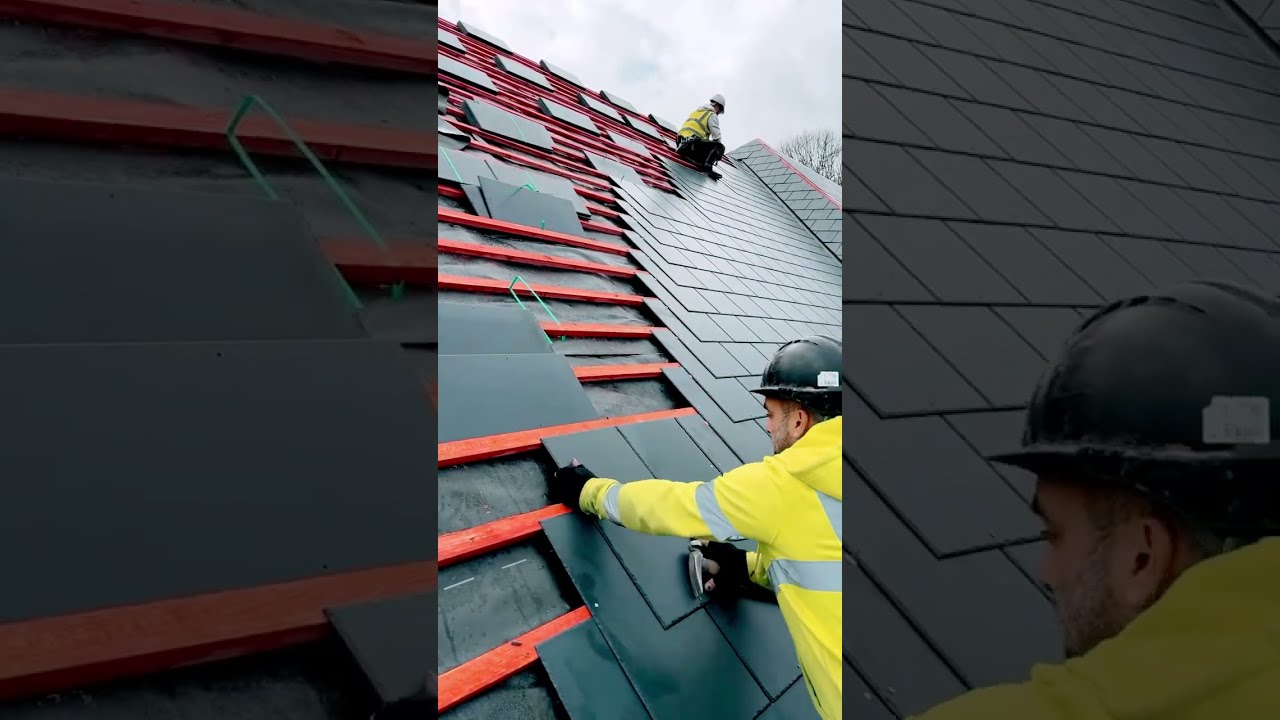
Expert Recommendations
Experts normally suggest carrying out extensive research study before choosing:
- Consult with regional builders who understand regional choices when it concerns roof styles. Evaluate your long-lasting goals concerning energy efficiency versus visual appeal.
Popular Traditional Roof Designs
Gable Roofs
Gable roofings feature two sloping sides that form a triangle at each end-- a timeless look that supplies outstanding drainage.
Hip Roofs
Hip roofs slope on all four sides-- perfect for wind-resistant structures commonly found in seaside areas.
Mansard Roofs
Mansard roofing systems are identified by 4 slopes-- 2 on each side-- enabling additional home under the roofline.
Popular Modern Roof Designs
Flat Roofs
Flat roofing systems provide contemporary looks however need mindful consideration concerning drainage systems due to their very little slope.
Shed Roofs
Shed roofs feature a single slope-- typically seen in minimalist styles that concentrate on functionality while creating an open feel inside homes.
Green Roof Systems
Green roofings include plant life into roofing system designs-- offering insulation while promoting biodiversity within city environments.
FAQs about Standard vs Modern Roofing Styles
1. What is the lifespan of tile roof compared to Colorbond?
Tile roofing can last 50 years or more when kept properly; nevertheless, Colorbond typically lasts around 30 years depending on environmental factors.
2. Which is more costly-- tile or Colorbond roofing?
Generally speaking, tile roofing has higher upfront material costs compared to Colorbond; nevertheless, installation costs might vary based upon regional labor rates.
3. How do I know if my house can support tile roofing?
Check with specialists who carry out structural evaluations; they'll evaluate load-bearing capacities before setup begins!
4. Exist eco-friendly options offered for both standard and contemporary roof styles?
Yes! For standard tile options look into recycled clay tiles; modern-day options include sustainable metal items like Colorbond made from recycled materials!
5. Can I set up photovoltaic panels on both types of roofs?
Absolutely! Photovoltaic panel can be set up on any roofing system type-- but seek advice from specialists knowledgeable about your picked product's compatibility!
6. How does each type affect my home's energy efficiency?
Tile uses natural insulation homes; meanwhile top quality insulated Colorbond systems boost energy performance through reflective capabilities!
Conclusion
In summary, whether https://claytonroofing-buildergfci414.yousher.com/how-purchasing-professional-roof-providers-can-increase-your-home-value you go with traditional tiles or modern-day Colorbond services depends mainly upon personal choice mixed with practical factors to consider like climate conditions and budget restraints! By diving into this expedition of roofing system designs-- from their fundamental characteristics down through professional insights-- you're equipped not only with knowledge however self-confidence as you embark upon making choices regarding your future home!
Each design brings its own set advantages together with challenges-- but what truly matters is discovering what resonates finest with YOUR vision! So take these insights into account throughout decision-making processes-- and get ready transform dreams into reality!